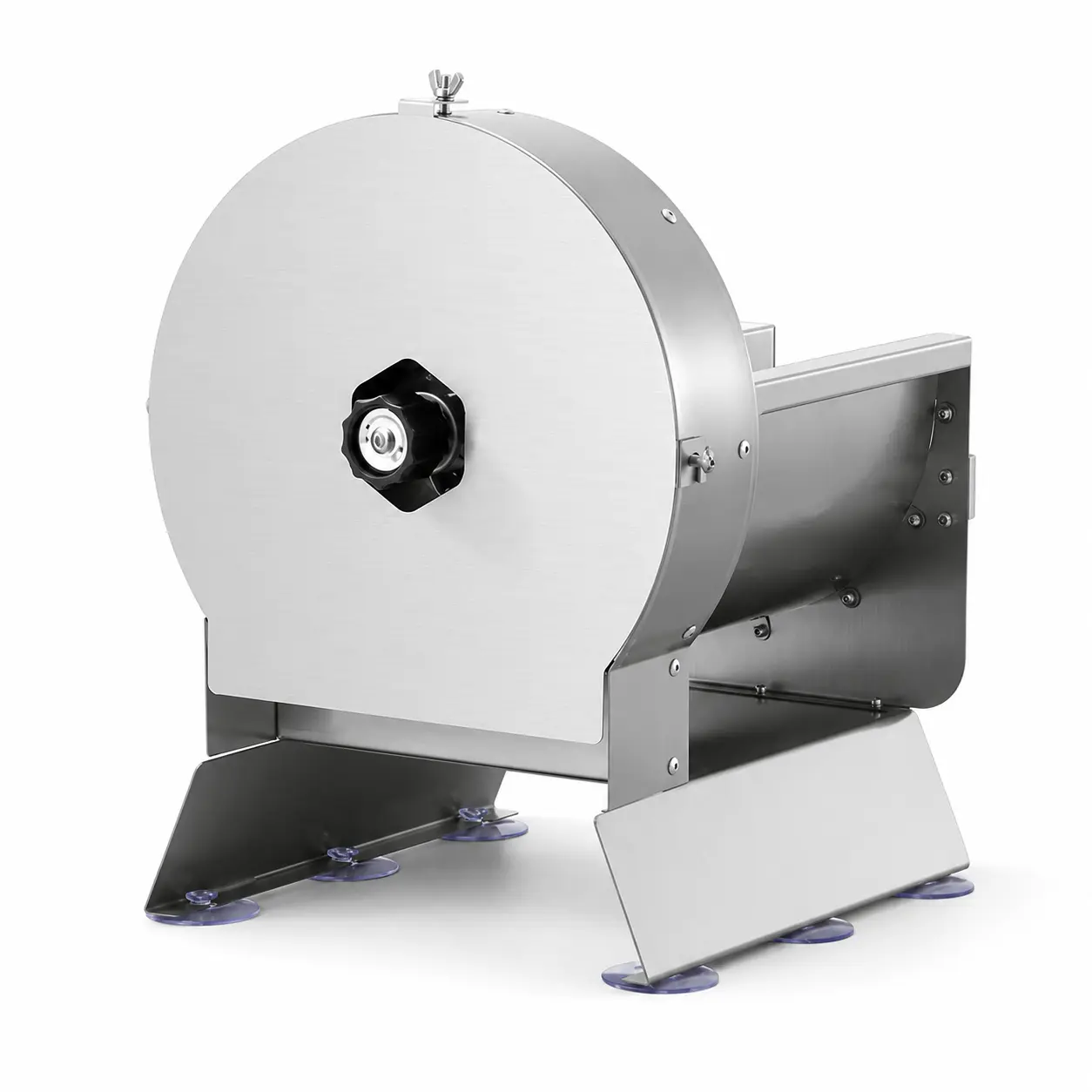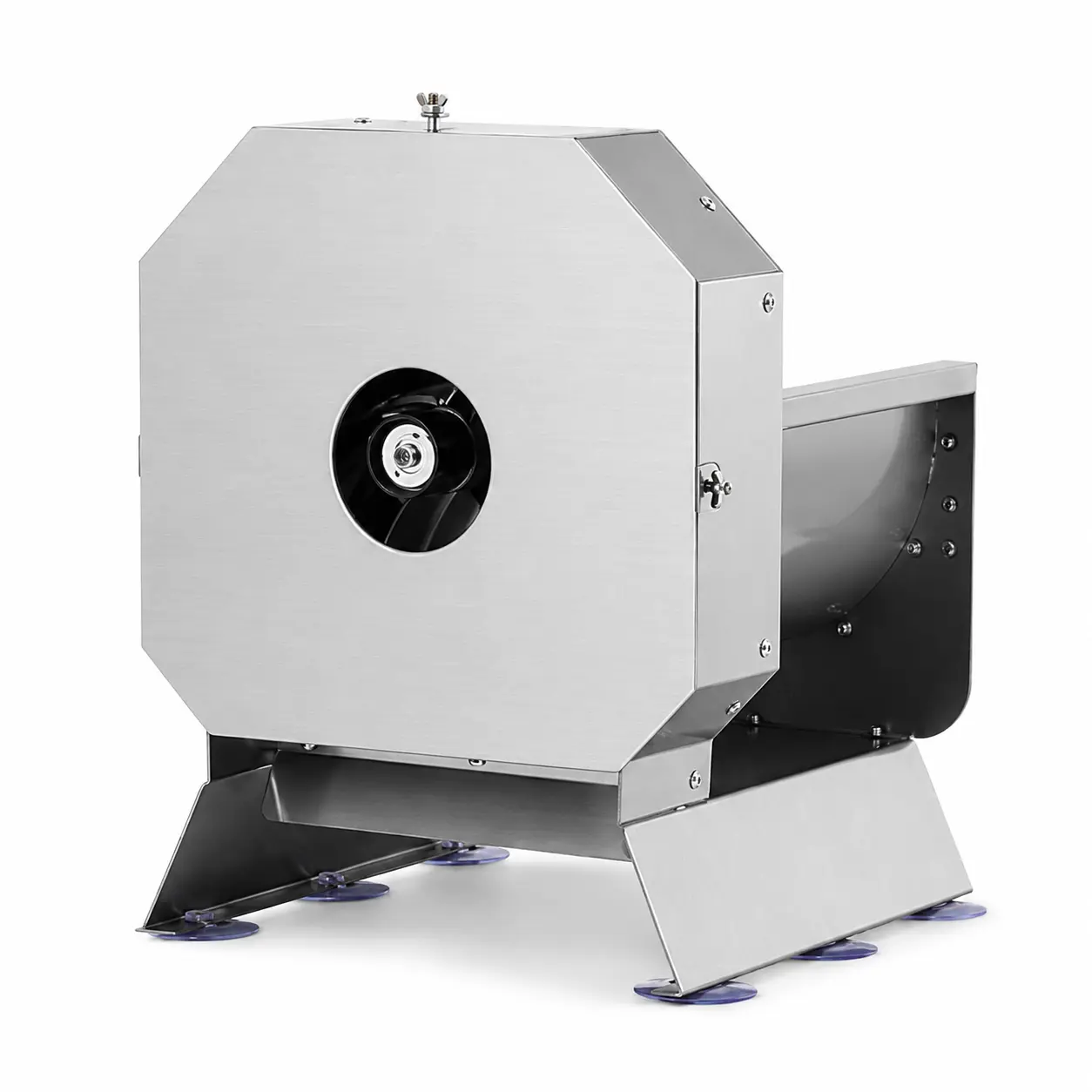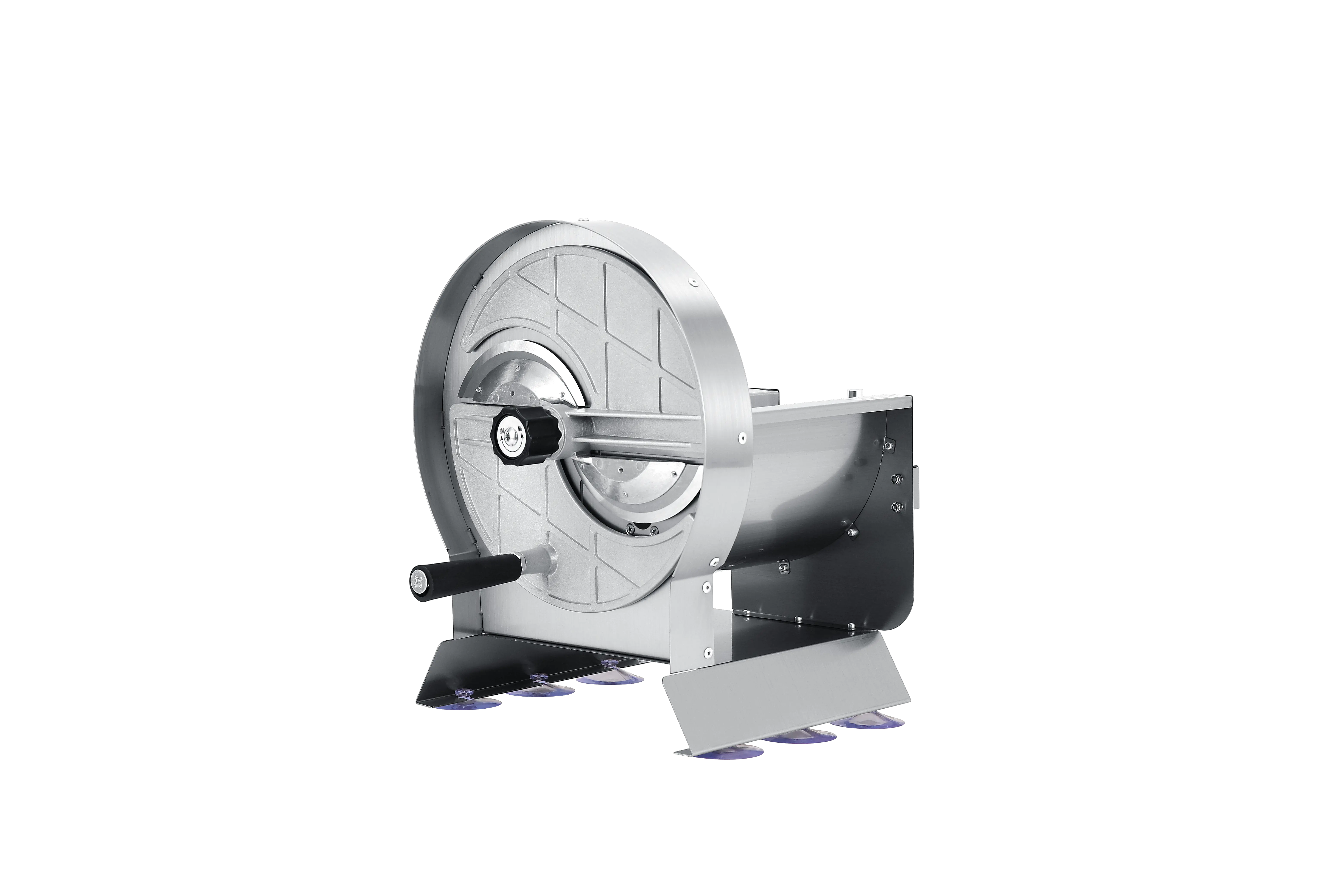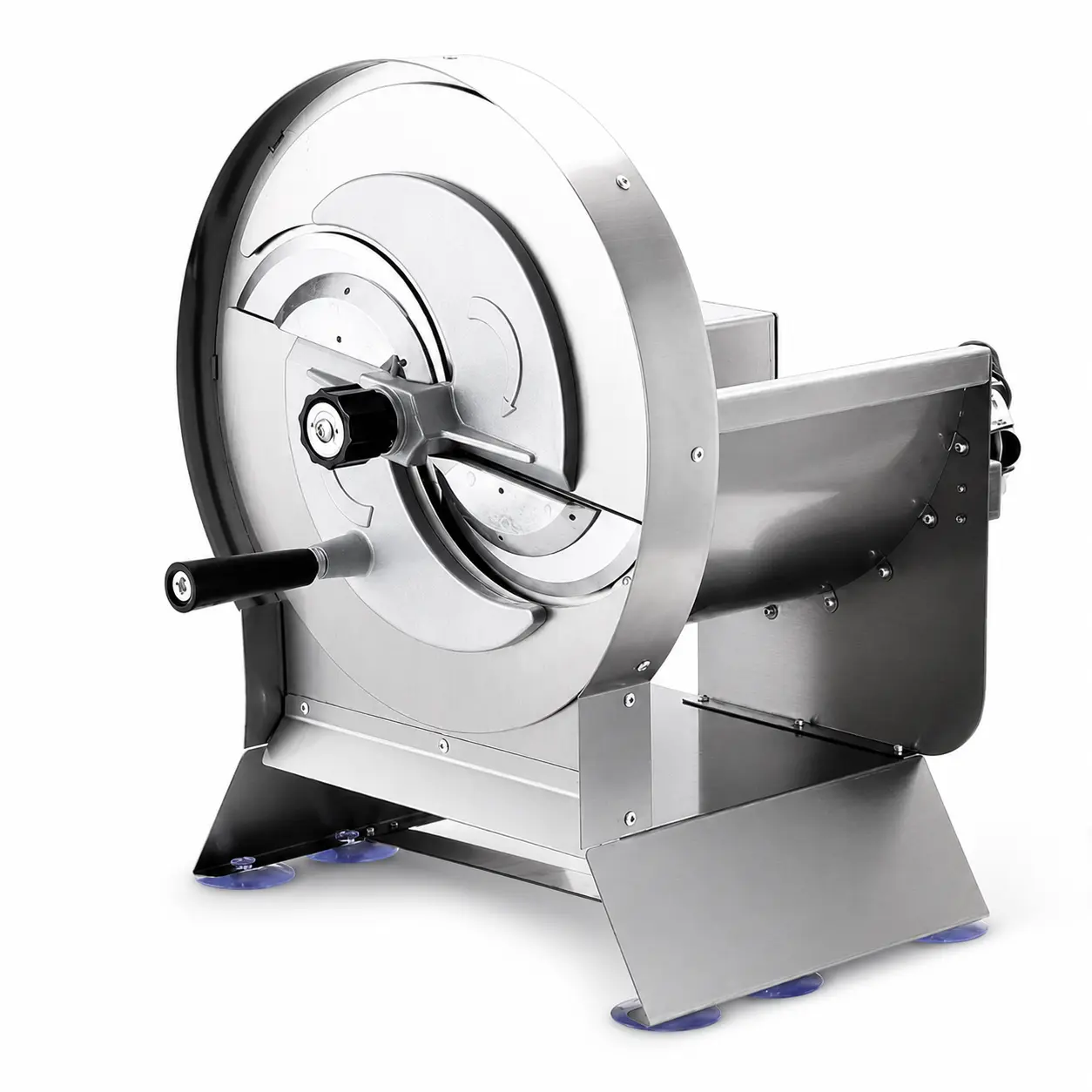
Why an 80-Tier Commercial Food Dehydrator matters to buyers
An 80-Tier Commercial Food Dehydrator is not just a bigger version of a countertop appliance. For food processors, snack brands, contract kitchens, and private-label buyers, it changes how much product can be handled per batch, how consistent the drying result can be, and how much floor space the operation needs to commit. That sounds simple enough, but in practice it is a sourcing decision that affects throughput, labor, packaging schedules, and even the way a business plans inventory.
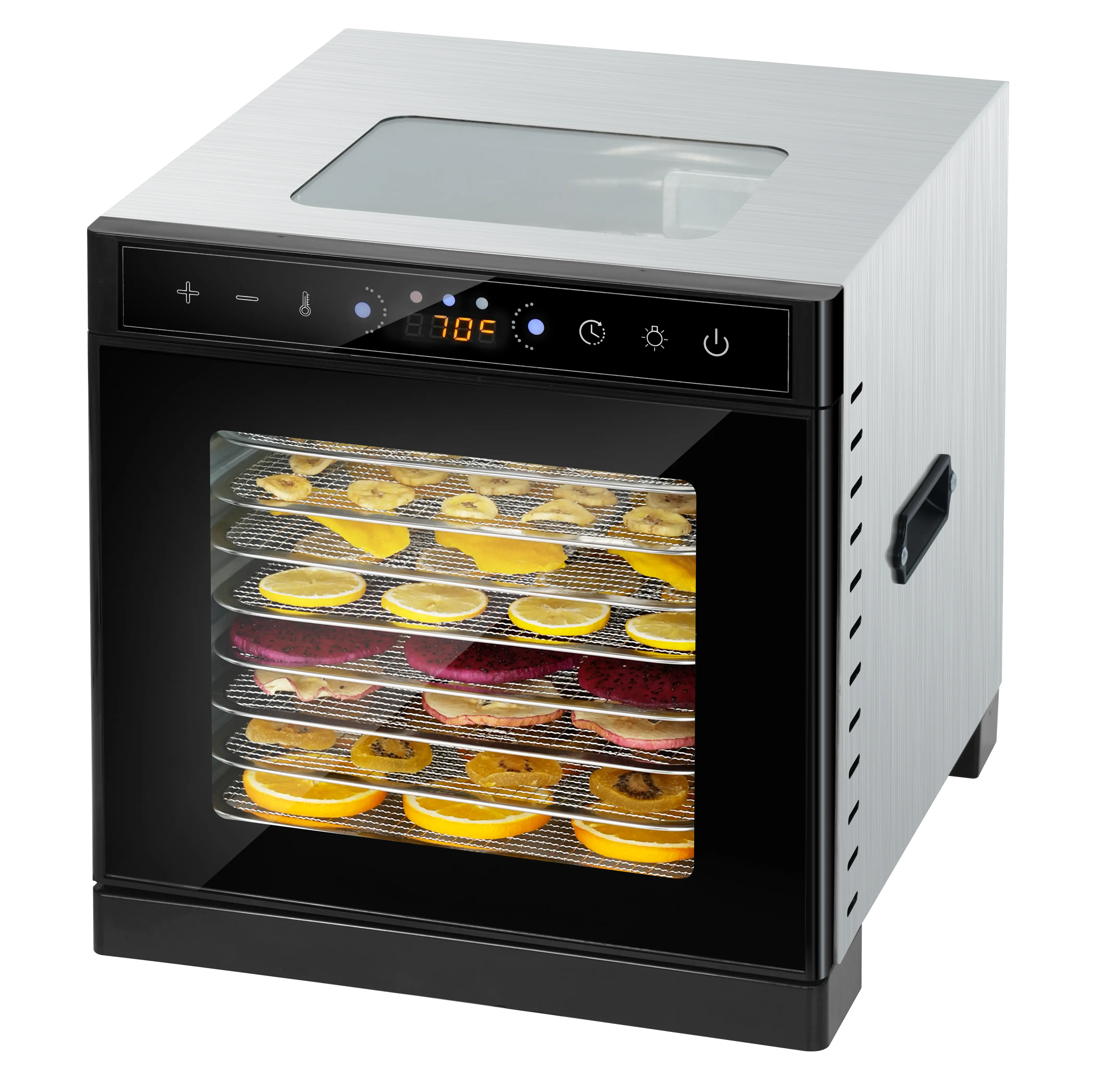
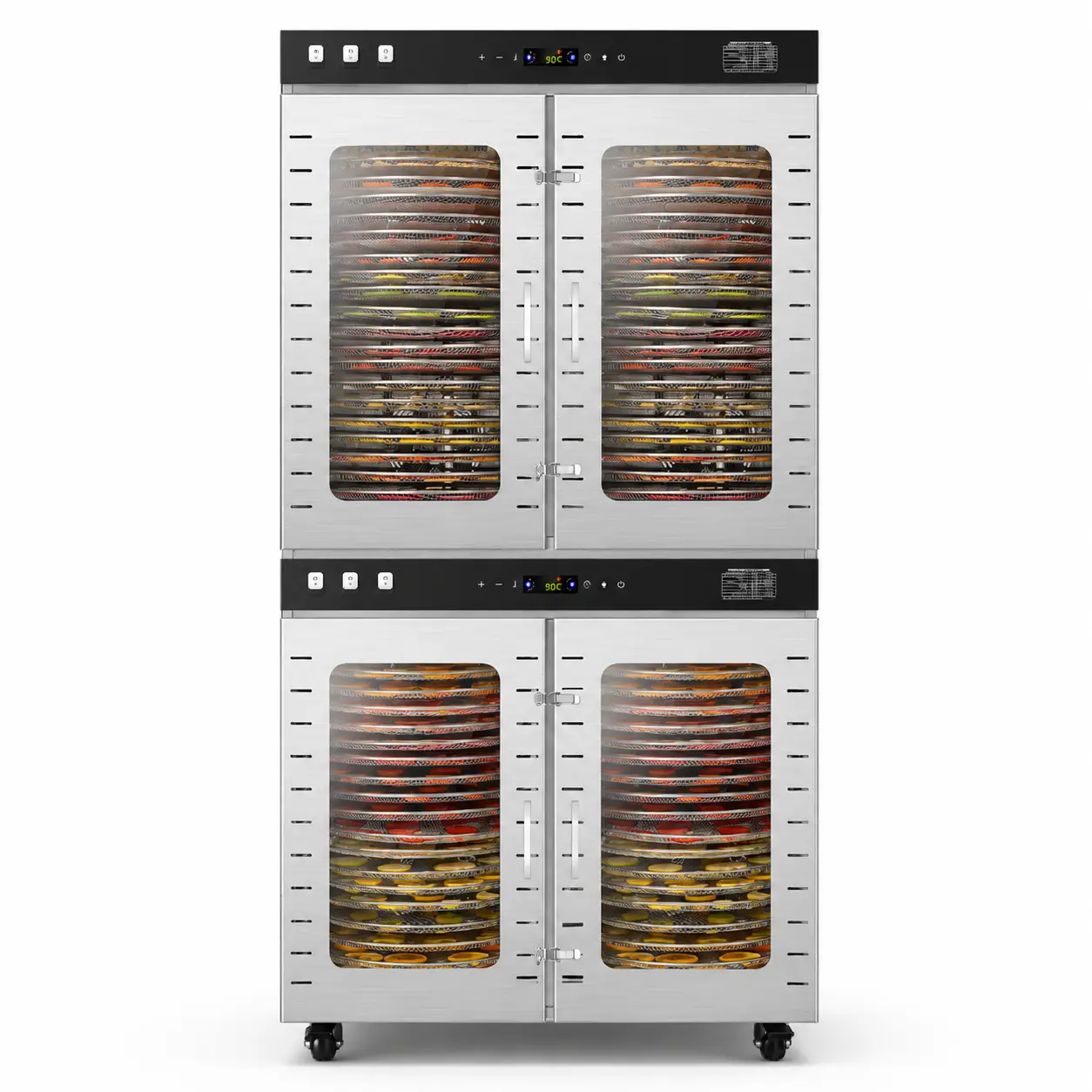
The machine shown here is the kind of upright, stainless-steel drying cabinet many buyers look at when they need enclosed batch drying for fruits, vegetables, herbs, jerky, or similar food materials. The visible features tell a useful story: multiple perforated trays, stacked chamber sections, dual doors, a digital control panel, side ventilation slots, and a wheeled base. Those are the details that matter when you are comparing commercial equipment, because they point to how the unit will be loaded, monitored, moved, and cleaned on a real production floor.
What this type of drying cabinet is designed to do
At a functional level, the cabinet uses heated air inside an enclosed chamber to remove moisture from food across many trays at once. That is the basic promise, but buyers usually care about the practical version of that promise: whether the product dries evenly, whether batches can be repeated without too much manual adjustment, and whether the cabinet can fit into an existing kitchen or processing line without forcing a major layout change.
The visible construction suggests a sheet-metal cabinet with a brushed stainless-steel exterior, upright format, and stacked chamber design. In commercial environments, that kind of layout is useful because it keeps product contained and organized. Compared with open-air drying or smaller tabletop units, a cabinet format is easier to standardize and easier to document. For businesses that sell dried foods as part of a branded product line, repeatability matters almost as much as raw capacity.
Key features buyers can infer from the design
1. Multi-tray, multi-chamber loading
The most obvious point is the number of tray levels. The term “80-tier” signals high-capacity batch processing, although exact tray count and tray spacing would still need to be confirmed with the supplier. Even without that detail, the visual structure makes one thing clear: this is aimed at volume production rather than occasional use.
2. Stainless-steel cabinet construction
Stainless steel is a familiar choice in food equipment because it is durable, easy to wipe down, and better suited to humid operating conditions than painted light-gauge alternatives. Buyers should still ask about the specific grade if corrosion resistance is critical, especially in environments with frequent washdown or acidic food residues. That is a small detail on paper and a large one in day-to-day use.
3. Digital control interface
The control panel visible on the cabinet indicates temperature and process control through a digital display and buttons. For commercial users, this is less about convenience than process discipline. A good control interface helps operators repeat settings across batches and reduces the chance that one shift runs the equipment differently from the next.
4. Dual-door access and wheeled base
The double-door arrangement suggests separate access to each chamber section, which can make loading and unloading faster. The caster wheels are a practical touch as well. In a busy kitchen or production room, a cabinet that can be repositioned without a forklift saves time, though buyers should still verify stability, locking behavior, and floor compatibility before assuming it will roll effortlessly once loaded.
Where an 80-tier unit fits in the production picture
Commercial drying equipment usually gets chosen for one of three reasons: scaling up an existing product, adding a new line of dried snacks or ingredients, or replacing labor-heavy small-batch methods. An 80-tier cabinet sits in the middle ground where a business wants meaningful throughput without moving into a fully continuous industrial dryer.
That makes it attractive to food processing businesses, commercial kitchens, dehydrated snack producers, and OEM/ODM buyers looking for a private-label appliance with a substantial-looking specification. It can also suit test production for new dried food SKUs, where the operator wants enough capacity to run meaningful batches but still needs the flexibility of a cabinet system.
How to evaluate a commercial food dehydrator before buying
Buyers often start with tray count and then stop there. That is a mistake. Capacity only makes sense when tied to usable tray area, airflow behavior, and product thickness. A tall cabinet with many shelves may still underperform if the airflow is uneven or if the operator has to leave too much empty space between loads.
When sourcing this type of equipment, ask for the details that affect actual production:
How is air distributed through the cabinet?
How many trays are included, and what are their dimensions?
What food types have been used in testing, if any?
How is temperature controlled across separate chambers?
How easy is the cabinet to clean around the door seals, rack supports, and ventilation areas?
If the supplier cannot answer those questions clearly, that is worth noting. A polished cabinet and a digital display do not guarantee a stable drying process. In food equipment, the hidden engineering is usually more important than the shiny outer shell.
Manufacturing considerations behind this kind of appliance
The visible structure points to a combination of sheet-metal fabrication and electrical assembly, with control-system integration layered on top. That is typical for commercial kitchen appliance manufacturing. The cabinet body, doors, and racks need to be robust enough for repetitive loading. At the same time, the controller, heating system, and safety-related electrical components need clean integration so operators can use the machine without constant supervision.
If you are sourcing for OEM or private label, manufacturing capability matters as much as the product itself. Supplier-level notes sometimes mention ISO9001, CE, FCC, or UL compliance for certain products, along with sample production and customized bulk delivery windows. Those are useful indicators, but they should be treated as company claims until verified in the documentation for the exact model you plan to buy. It is easy to assume a factory-wide qualification automatically applies to every cabinet in the catalog; often it does not.
Common mistakes when comparing drying cabinets
One common mistake is assuming all stainless-steel cabinets are built for the same workload. They are not. Structural stiffness, rack fit, door hardware, and maintenance access can vary more than many buyers expect.
Another mistake is buying on appearance alone. A tall unit with a strong industrial look may still be awkward to service if the internal layout is cramped or if the controls are hard to read during a shift. I have seen more than one buyer regret a clean-looking machine because it made cleaning more tedious than expected.
A third issue is ignoring the product mix. Drying herbs, fruit slices, jerky, and high-moisture vegetable products do not impose the same demands. If one cabinet is expected to handle different recipes, the buyer should be more cautious about airflow, temperature adjustment, and batch documentation. “One machine for everything” is a convenient sales phrase and sometimes a difficult operating reality.
Practical buyer questions to ask the supplier
Before placing an order, ask for the documentation that helps you compare models on equal terms. A serious supplier should be able to provide photos, operating details, and basic technical data for the exact unit, not just a family resemblance to other products.
Useful questions include:
Is the unit a dehydrator or another type of drying appliance?
How are the two chamber sections controlled?
What materials are used for the trays and internal supports?
What cleaning access points are available?
Are the listed compliance marks applicable to this specific model?
If the unit is being sourced for export or retail resale, documentation matters even more. A cabinet that looks right but lacks the right paperwork can become a problem after purchase, not before it.
FAQ
Is an 80-tier cabinet only for large factories?
Not necessarily. It is better described as a high-capacity commercial unit. It may suit a factory, but it can also fit a smaller business that needs batch flexibility and room to grow.
Can it be used for different food materials?
Likely yes, if the temperature and loading method are appropriate, but the supplier should confirm suitability for each product type. Different foods behave differently in drying environments.
What should be checked first on delivery?
Inspect the doors, seals, controls, rack alignment, and caster stability. Then confirm that the cabinet powers up correctly and that all chambers respond as expected.
The practical takeaway for sourcing teams
An 80-Tier Commercial Food Dehydrator is worth serious attention when your operation needs enclosed batch drying with visible capacity and a durable stainless-steel cabinet. The attractive part is not just the size; it is the combination of chambered layout, digital control, and mobility that can support a more organized workflow.
Still, this is not a purchase to make from photos alone. Confirm the tray count, chamber behavior, airflow design, control settings, and compliance documentation for the exact model. If you are comparing suppliers, ask for sample-unit availability, customization scope, and production capacity in writing. That extra diligence usually pays off faster than negotiating on appearance or chasing the lowest quote.
If you are evaluating this type of equipment for a food brand, kitchen operation, or private-label appliance program, the next step is simple: request the full technical sheet and a loading demonstration, then compare it against your actual product mix and output targets. The cabinet should fit your process, not the other way around.